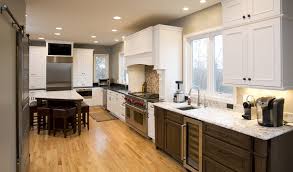
Consumer Guide: Ten Questions to ask a Buyer's Agent


1. Are you a REALTOR®?

When you work with an agent who is a REALTOR,you are working with a professional guided by ethical duties under the REALTOR® Code of Ethics, including the pledge to protect and promote the interests of their clients.

2. What types of services can you provide me?

Agents may offer many types of services such as finding you homes that meet your criteria, accompanying you to showings, sharing their analysis of the market and available properties, negotiating on your behalf, and more. 

3. How well do you know the markets where I am searching for a home?

Your agent must be licensed where you are buying a home. But they should also have the market knowledge to help you successfully find a home where you are searching.

4. Do you have experience working with buyers in my situation?

Many agents specialize in working with certain types of buyers, such as first-time buyers and veterans. Some also earn the Accredited Buyer’s Representative designation to gain specialized skills in working with buyers. Ask your prospective agent about their experience and any designations or certifications they have earned related to working with buyers like you.

5. Can you tell me about your approach to scouting properties?

Agents and brokerages across the country have different business models and use and provide various technology, tools, and resources to inform their search process. Discuss with your prospective agent how their unique approach will help you find the right home.

6. What will be included in our written buyer agreement?

Once you are working with your agent and before you tour a home together, your agent may be required to enter into a written buyer agreement with you that outlines the services the agent will provide you, and what they will be paid for those services. These agreements are fully negotiable.

7. How long will we work together?

Talk with your prospective agent about how long you would like to work together and ensure you feel comfortable with that arrangement. This term could be set out in your written buyer agreement.

8. What are my options for paying you?

Agent compensation is fully negotiable and can take many forms, such as a flat fee, a percentage of the purchase price, or an hourly fee. The written buyer agreement will contain the amount of compensation you agree on. You can also ask the seller to pay your broker’s compensation as part of your purchase offer or, in cases where a seller offers a concession, you may be able to use the funds to pay your broker for the value and services they provided you.

9. Can you recommend service providers who can help me obtain a mortgage, make home repairs, or support other closing tasks?

Your prospective agent may have prior experience or trusted relationships with providers in the area where you are purchasing a home and can be a great resource for facilitating these introductions.

10. Do you have references I can speak with?

Many agents will be happy to connect you with satisfied clients they have worked with in the past who can speak to their experience.


March 9, 2018

How to Stick to Your Home Remodeling Budget

Remodeling is always a bit more pricey than you expect. Older houses will always find a way to surprise you when ii comes to remodeling because of all the changes made in the building codes over the years. It helps to approach a remodel with a mindset to save as much money as you can if you’re trying to stay under budget. Remodeling can be an extensive process but if done the right way can be a great experience to be involved with. Try using these tips to save more money throughout the process.

Recycle and Reuse There are several things in the house that you can reuse when remodeling. If you carefully remove the trim, for example, you should be able to reuse it. Some types of trim can be more fragile that others but wider crown molding or tall base moldings can be great for recycling. Cabinets, tiles, sinks, tubs, light fixtures and most materials, really, can be recycled in some way.

New Paint? If you have decided that you like the style of the wooden trim or kitchen cabinets in the house but come to the idea that they may fit your new design better if they were a different wash or color you could recycle them. Without ripping them out all you would have to do is lightly sand them, apply the right primer, and then carefully paint them.

Avoid Relocation  As you remodel it can be tempting to rearrange the toilets or sinks in the bathrooms and kitchens, but don’t. Instead of moving things around, try to work around their existing locations, moving plumbing (as well as electrical) can be very expensive and may require that you bring your house up to current code, adding even more cost to the remodel.

Discount Material Stores Discount material stores often get bulk shipments of items that larger retailers couldn’t move in a reasonable amount of time. These discount material stores can be very hit and miss when it comes to what you’re looking for. Always make sure that you know how much material you’re in need of so that the day you find your high grade laminate flooring you'll be able to buy it before it’s sold out. Once the material is gone there typically isn’t another shot to find the same thing in stock in the store.

Buying Used Materials People will often put bigger, more valued items, up for sale when they are replacing them during a remodel. Windows, pavers and excess materials from projects are popular things you’ll see in online and offline ads. Buying used materials can be very beneficial to staying under budget, when the items you find fit what you are looking for and match your design plan.

Be Efficient With Materials The more efficiently that you use your materials, the less you will need and the more you will save. Plan your cuts ahead of time so that you can utilize the least amount of material as possible. Returning excess material to your home improvement store can help you save and stick to your budget.

If you tend to be a little less handy or just are too busy to do your own home remodel, it’s smart to call in someone to remodel your home. These professionals will advise you in ways to save money based on what you want for your finished project.

Posted in Home Maintenance
March 5, 2018

Is Now Really the Time for You to Buy? Things to Factor Outside Your Finances.

Although it is not mentioned often, buying a home can be a very emotional experience and buyers will often become very attached to their house. There are two primary things that drive us to buy rather than renting. The most common reasons we want to buy are to increase our social standing and to create an opportunity to give ourselves some type of financial security. There are so many articles that debate home readiness in terms of how much money that you have but those articles leave out all of the other things that are usually involved in the experience of owning a home. There are many parts of your life that you will need to examine before buying a house, assuming that you do qualify for a loan. Here are some things that you should get in check with to make the process easier on yourself.

Pursuing Your Wanderlust  Wanderlust is your strong desire to travel. Buying a house is similar to getting a tattoo in the sense that its not easily undone. Even if you just walk away, you have a foreclosure hanging over your head for years and years and your credit’s damaged. If you have wanderlust left in you, get it out now. Go travel while you can, because once you buy, you’re going to have to live in it for a while. That’s not to say you can’t go on vacations, but won’t be able to stay around for months once you have a mortgage that needs to be paid.

Emotional Maturity  Your emotional maturity is your ability to create a life you desire that is full of both happiness and fulfillment. Living in a neighborhood requires emotional maturity because your neighbors are not very easy to move away from. If your neighbor was driving you nuts with his flashy Christmas lights you must choose to hang blinds rather than taking the aggression out on him. In addition to neighbors all houses have problems, even if it's a brand new house. So when a problem occurs there is always a solution, so don’t panic.

 A Secure Career   When you are looking to buy a house and have a 30 year mortgage it is important that your career is one you see yourself sticking with. If your career is one that you do not plan on sticking around you may not want to jump into a mortgage. If it ever came to the point where you would need to return to school or move out of state, trying to simultaneously maintain your mortgage would be difficult.

A Secure Relationship  Before buying a house with someone make sure that your relationship is secure enough to be purchasing with that person. This is on the level of having a child with someone, buying is a huge financial commitment and one that could obliterate you for years and years if things went downhill quickly. Whether you’re married or not, make sure this person is one you can count on for the rest of the term of that loan, as romantic as that notion may be. You’re in this mortgage together, make sure it’s an equal partnership.


Posted in Buying a Home
March 2, 2018

Using Insurance to Protect Your Home

It is so important to look into the insurance you will choose when you’re purchasing your new home. Here are a few types of insurances and an explanation of each so that you can better understand what each does and what you need. We hope that these tips will really help you protect your new home.Homeowner Policies   

If you have previously rented a house before you bought this home you will be familiar of a much more simple version of this policy which is often called a renter’s policy. The Renter’s policy covers more inexpensive things if anything were to happen to you home such as a fire or tornado.  Renter’s policies are relatively inexpensive, running about $15 a month in most areas, so more landlords are making them mandatory parts of rental agreements. A homeowner’s policy is designed to protect you, your family, your dwelling and your personal property from damage, both physical and financial, to some extent. Most policies are essentially the same, containing these components:

Dwelling coverage  Your lender will require that if your property is severely damaged, it’s able to recover the amount of the loan you’ve borrowed. In the case that your home was a total loss, you’d have the option to either rebuild with those insurance funds or give them to the bank and own the lot free and clear. Dwelling coverage will also cover any major damage to your home such as damage from a hail storm. Although many acts of nature are covered, it is important to note that some policies exclude floods, earthquakes, and sinkholes.

Other structure coverage  Other structure coverage can be applied to any major damage to sheds, detached garages, fences, greenhouses and any other permanent structure you have on your property.

Personal property coverage  This is the part of the insurance policy that’s just exactly like renter’s insurance. If your property is damaged during a storm, stolen during a robbery or severely damaged by something out of your control, you can file a claim to possibly receive some kind of reimbursement. Replacement cost coverage provides the amount necessary to replace your items, so if this is an option, choose it. Again, though, there is probably not coverage for flooding, earthquakes or sinkholes, so be ready to ask about it.

Additional Coverage  There are additional forms of coverage that you can choose from such as, identity fraud or from extra coverage for valuable collectables to coverage for identity fraud or the “ Water Backup and Sump Pump Discharge or Overflow” coverage that will cover any water that is forced into your house due to the sewage system. If you’re in an area where this is a possibility and the coverage isn’t much extra, definitely get this. The sheer nightmare that is water backup from a basement drain due to oversaturation is unspeakable and the smell unforgettable.

Loss of use coverage  Many homeowner policies will also pay for you to live elsewhere while your home is being repaired after major damage. This is the loss of use coverage portion of the policy.

Personal liability coverage  This type of coverage is for accidents that might happen on your property. If the neighbor were to fall on your property and become injured or a tree in your yard fell onto your neighbor's house, you don’t have to worry about how much the bills are going to be. Your insurance will cover it up to a certain amount.

Flood Insurance

Flood insurance primarily comes up when you’re looking to buy a house sitting on a piece of land that has even a tiny corner poking into a floodplain. Most homeowners don’t know that they can buy flood insurance no matter where they live. It is important to know this considering how many home in recent have flooded that aren't located on a floodplain.  

Although there are many buyers and homeowners that believe that insurance is a waste of money, it is designed so that you never use it. While that may be true, the fact remains that if you do need it, you’re really going to need it and there’s no take-backs. You can’t change your mind and load up on coverage after that giant tree has fallen through your bathroom ceiling.

Posted in Home Maintenance
Feb. 19, 2018

Lighting Can Influence Your Buyers

Lighting in a home has a great influence on the potential buyers of your home. Lighting has the power to add warmth, color, style, and personality to your home. There are a variety of ways you can use the different aspects of lighting to highlight areas of the room that you want to stand out. Making small changes in lighting can affect the way your home is viewed, from top to bottom. Upgrading your lighting can be a simple, inexpensive, investment that will give you a boost while staging your home.

When changing the lighting in your home make sure that you plan a general theme before buying the fixtures. Decide what color your fixtures will be and what the overall look of your home will portray as you slowly make it your own, and stick to your plan. There is an exception to keeping the same color and style of fixtures. The bedrooms are a space that people don’t subconsciously expect to follow the overarching design theme.

Layering Lighting In most modern homes, you walk into a room and you’re greeted by one weak light coming from the center of the ceiling. This infirm little bulb is trying very hard to pull the weight of several light fixtures and lamps that should be in the room. The one fixture needs a team to back it up. Most interior design experts will recommend layering light. Although your space might not need them all, there are three main components to layering light.

Ambient lighting  This is the general lighting in a room that helps provide a comfortable level of brightness to that you can see and walk safely. Having a central source of ambient lighting in all rooms is fundamental to a good lighting plan. Some examples of ambient lighting that are used throughout homes are chandeliers, ceiling and wall mounted fixtures, recessed or track lights, or even lanterns mounted outside your home.

Task lighting  You’ll see a lot of task lighting in well-lit kitchens and other work spaces. Under cabinet lighting, track lighting, and portable floor and desk lamps are good examples of task lighting. Task lighting is any lighting that helps your perform a specific task easier such as reading, grooming, preparing food, playing games, etc. Task lighting should be free of shadows and glare and be bright enough to prevent eye strain.

Accent lighting  This lighting adds drama to your room and creates visual interest. You can use accent lighting to highlight artwork, draw the eye to interesting architectural features or simply influence where visitors look around the room. To be most effective, accent lighting should shine three times brighter on the focal point than the general room light. Recesses lighting, track lighting or wall-mounted picture lights are all great example of accent lighting.

Posted in Selling Your Home
Feb. 16, 2018

Your Next Roof Inspection


When is it time to inspect your roof?  If your roof is between five and ten years old it should be inspected yearly, although it doesn't hurt to inspect it more often than that. After severe storms or high winds is a great time to take a quick look. Any roof older than ten years should be inspected quarterly, along with a professional inspection from a roofing contractor once a year.

It may seem like a lot of hassle, but a compromised roof can damage a lot of other things, too. Along with the insulation in your attic, the sheet rock in your ceiling, your attic-mounted furnace and even the lumber holding that roof over your head could be at risk. It’s a small investment of your time to ensure that your home remains safe and mold-free. Follow this checklist based on asphalt shingles as you go around your house, completing one whole side before moving to the next.

 What to look for from the ground:

Fascia  The Fascia is the band that is visible under the roofs edging. Check the fascia for signs of rot or water damage, including soft spots, green algae or places where the board is starting to come apart. If you notice that the fascia seems to be pulling off of your house, take a closer look for rot or damage before proceeding. This may call for expert help.  Before you use a ladder make sure that you utilize the binoculars to make sure that the fascia is intact and in good enough shape to lean the ladder up against it.

Soffit  The underside of an architectural structure such as an arch, balcony or overhanging eaves is referred to as the soffit. Your soffit keeps critters out and lets just enough air in for proper ventilation. If screens are torn or vents are blocked, this is a good time to clean them out. If you notice further damage it might be time to start searching for a replacement.

Gutters  Although they’re not really part of the roof, the gutters are a roof accessory. It is important to make sure your gutters are also looking good while you’re checking the roof. Sagging or signs of separation are signs that your gutters need further examination.

Drip Edge  In the space where your shingles stop and the open air begin, there’s a thin strip of metal called the drip edge. The drip edge moves water away from the shingles and away from the fascia. It is possible that you may not be able to see the drip edge from the ground if you have gutters, but if you can see it check to make sure that it is not bent, broken, or rusted.

Shingles  Aging and damage are typically very noticeable when it come to shingles. Shingles are more or less okay unless they’re torn off, curling up, missing grit or growing moss. If you have a lighter colored roof and notice black streaky stuff on your shingles there is no need to worry. This is a harmless algae that will grow on shingles that aren’t algae resistant especially if there is a tree hanging above your home.

Flashing  This is a material that is used over any joints in the roof. It is typically  aluminum or a galvanized steel. Metal flashing is used to protect against leaks around a chimney or even where your roof creates a valley. Check to make sure that it’s not rusted or oxidizing and that any tar looks like it’s still healthy, not dried out. Rust is rust colored, irregular and almost stone-like, oxidation is white and powdery.

Chimney  Since you have your binoculars out, go ahead and check any masonry chimneys you have. Just make sure all the chinking (the filling, if you will, between the bricks) is intact and the bricks are whole and where they should be. If any brick faces are breaking off or the chinking is crumbling, this is cause for concern and a call to a brick mason sooner rather than later.

Safety First  It is very important that everyone is safe while inspecting their roof. Walking around on the roof is very dangerous, even if you are a professional. Experienced roofers wear all different types of safety gear, but we recommend that you don’t set foot on the roof at all. You should need no more than a tall ladder and a pair of binoculars. If your fascia isn't intact try using a six foot step ladder instead. Remember when using a ladder you should always have someone there to help keep it stabilized or call for help if you were to fall.

On the Ladder Everything you check from the ground is checked again on the ladder, being on the ladder will just make it easier to see the details, to help you further inspect your roof and decide if a professional is needed.


We hope that these tips will help guide you through your next roof inspection.

Posted in Home Maintenance
Jan. 26, 2018

How Modern Technology Can Protect Your Home

As technology grows more and more rapidly many opportunities arise for us to protect our homes. Getting to work and wondering if you forgot to lock the door or not can be a bit nerve racking. Today’s technology allows you to be able to access the information you’re currently stuck wondering. Today’s technology allows us to find out whether or not our door is locked or is even capable of telling us who is at our door with a displayed image. There are several ways to protect your home electronically but here are a few ways we thought we would share with you!


Video Doorbells  A video doorbell has all of the functions as that of an old-fashioned doorbell would. Beyond those typical functions the video doorbell allows you to receive notifications through your smartphone rather than alarming the whole house when someone arrives at your door, which can be very convenient if you have small kids or even very anxious dogs. Video doorbells combine the concepts of doorbell, intercom, and security camera making it possible for you to have a two-way conversation with your visitor whether you're home or not.


Wireless Door Locks Wireless door locks allow you access to your lock from anywhere. With this feature you are granted access to lock or unlock your door from any smartphone or internet connected device. You can receive notifications when those with access enter your home to keep track of who is coming in and out. Wireless door locks allow for you to give certain people temporary access so that it is always convenient for you.


Posted in Home Maintenance
Jan. 23, 2018

Tips to Save Money Towards Your Next Home

From the moment you started thinking about buying a house, you knew you’d need to start saving. You need to be able to not only cover your closing costs but have the extra money available to you in case something unexpected occurs on you right away. Using any or all of these tricks to start your saving will lead you to collecting money all over the place. You will be moving towards buying your next home in no time.

Budgeting  You’ve probably read plenty about budgeting by now, and that’s awesome. If you haven’t, start by sitting down and planning how much money you can spend in different categories like rent, utilities, food, ect. Use this plan as a starting point to really look at your expenses, These costs will represent your relatively fixed costs while new cloths, hobbies, and dining out are costs you have more control over. These costs that you have control of are what can really make a difference in your long term budget. To budget your money try to reduce your spending by 10%. Do this by checking clearance racks or even ordering less expensive meals.Ten percent is a small amount that will add up in your savings account bit by bit.

Canceling Unused Subscriptions  It’s easy to forget about the money you're spending on subscriptions because that money automatically comes out of your account. Netflix, Hulu, or even Amazon Prime are typically not even given a second thought when it comes to paying the bills. The money you're spending on them just magically dissolves. Subscriptions can be a great place to start saving money and your budget can allow you to figure out how many you should keep or delete and trick yourself into saving money.

Get Apps for the Stores You Frequently Visit  Downloading the apps for frequently visited stores will often allow you access to their digital coupons. These coupons are simple and easy to use. Using digital coupons to help plan your shopping will help you stick to your grocery budget and possibly get you extra savings elsewhere.

As You Pay Things Off, Start Paying Yourself  The extra breathing room you have now that you’ve paid off your Credit card is great, but instead of spending that freed-up money on you every month, pay that money to your savings account instead. If you’re used to making that payment anyways it won't hurt to make it to your savings account every month instead up until you buy your new home.

Consider What You Spend Maintaining Your Hobbies Do your hobbies and belonging need their own budget? This is something to consider greatly because many hobbies and belongings require considerable upkeep. If you’re not really using them anymore or you’re not enjoying them like you used to, it may be time to part ways and start to save up that money. Turn those old hobbies into cash by selling them off, then send the money you’re now saving to your savings account.

Posted in Buying a Home
Dec. 27, 2017

Getting Your Central Heating System Prepared for Winter

Now that it’s officially winter, it’s definitely time to be thinking about how you’re going to heat your home this year. Some parts of the country are just now starting to feel the cold, others have been chilly for some time, but everybody should be getting their systems in shape for the coming blasts of arctic air. If you’ve not yet gotten started prepping your central heating system, there’s no time like the present. We’re here to help!

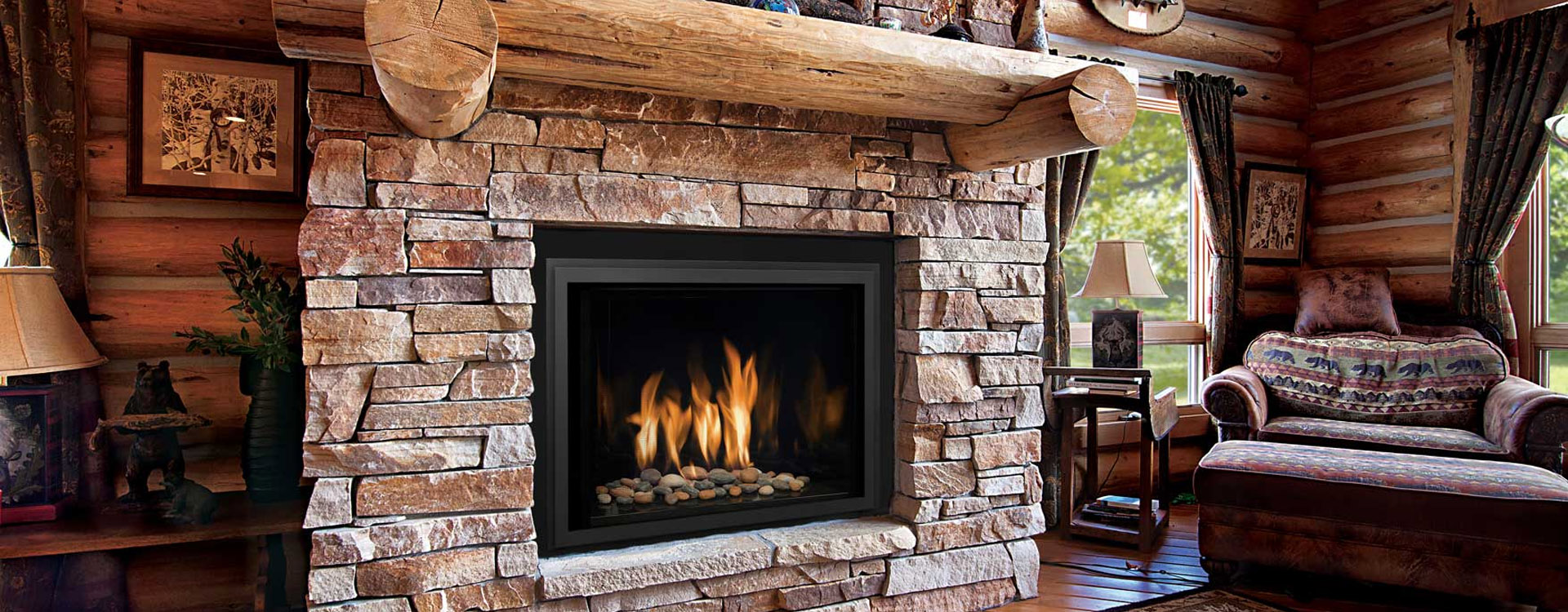
Furnace Season Basics for Every Homeowner. Being a first time homeowner may mean you have very little experience with home repair. That’s okay, there are plenty of ways to improve your heating system’s safety and performance this year as you get more familiar with your home. Here are a few items you may want to put on this weekend’s “to do” list:

Check that your carbon monoxide detector and smoke alarms are in good working order. Furnaces get hot and that makes them a minor risk for fire, especially as they age. Better to take an hour to check all the alarms.

Reverse your ceiling fans. Believe it or not, your ceiling fans can help you save a bundle on home heating this winter. There’s a switch on most ceiling fan motors that allows you to control which way they spin. In the winter, you’ll want them to turn clockwise at low speed. This will pull the hot air away from the ceiling and push it toward the living area, where you actually want it.

Close your crawl space vents. If your house is built on a crawl space, you’ll want to make sure the vents are closed or covered. Those vents are useful to keep humidity from building up during the spring and summer, but in the winter, they just allow cold air to come in under your home, chilling ductwork and making your furnace work harder.

Change your filters. Your furnace performs best when the filter is clean. This is because that filter is literally like a surgical mask for your HVAC system. When too many particles are clogging up the pores, the furnace struggles to bring in a full breath, so instead of heating an optimal amount of air and pushing it out, it’s only heating a percentage, which gets smaller and smaller over time. Ideally, you should change filters when they appear dirty, not when there’s physical material sticking to them. Investing in an electrostatic filter can mean huge savings on replacement filters and gives you a chance to rinse your filter out weekly, so you’ll always have optimal airflow.

Rearrange the furniture. Blocked vents are vents that aren’t living up to their potential. Get the furniture out of the way so you can take advantage of that sweet, sweet hot air coming out of the furnace. It’s really never a good idea to put furniture over a vent, but now is a great time to rearrange the living room so you don’t accidentally start a fire.

Clear the area around the furnace and cold air return. Your furnace isn’t a living thing, but it does need room to breathe. The furnace itself is creating combustion constantly, which requires a lot of room air and generates a fair amount of heat. So, leave at least two feet of space around it in all directions unless you want a poor flame or a ball of fire in your basement. Also make sure the cold air return (the vent that sucks air into the duct system, might be where you put your filter) is completely clear of obstructions. In newer homes, this vent is usually on the ceiling so you don’t need to worry, but older homes could have it on the floor or on the wall.

Upgrade your thermostat. Besides being able to turn the furnace up before getting out of bed on a cold morning, smart thermostats can save a lot of energy and money all year long. Since many Americans have their largest utility bills in the winter, this is a great time to make that investment. Products like Nest’s Learning Thermostats, Honeywell’s Lyric and Ecobee 3 are designed to work with popular home assistants like Amazon’s Alexa, too!

Now for the Bigger Stuff

Depending on the age of your furnace, it’s a really good idea to have a regular inspection to ensure that it’s in prime working order. Things like cracked heat exchangers can be very real health hazards to yourself and your family, which is clearly not what you’re after. An HVAC inspection and routine cleaning is a very minimal expense and can often be reduced further in price with a longer-term service agreement from a reputable service provider.

These service agreements not only give you peace of mind knowing that your equipment has been carefully inspected and will continue to be at regular intervals, but helps you build a lasting relationship with a high-quality HVAC expert 

While you wait for your new HVAC service provider to come and check your furnace, go through our winter maintenance checklist to ensure that you’ve covered all your bases before the cold winds really start to blow.

Posted in Home Maintenance
Dec. 12, 2017

Improve your Curb Appeal this Winter Season

When you’re staging your home this cold winter there are many simple fixes that you can benefit from. The goal is to make your home warm and comforting for the buyers as they face the cold and house search. Create a feeling of warmth and comfort throughout your house. Giving your home a very welcoming first impression is very important, especially while the weather is so chilly. 

First start with the outside of your home and consider adding a little bit of life to the properties walkways and entries. A decorative winter wreath, a seasonal plant, or even a cheerful paint color on the front door will make a difference to incoming buyers. Make sure that you are always ready to have potential buyers look at your house. Always provide lighting to ensure that these buyers will never walk into a dark house. You could also provide a doormat outside the door to prevent the tracking of snow and dirt throughout your house. 

With the cold weather dwelling you should raise the temperature in your home so that it is at a comfortable temperature for those who come in. Having a comfortable temperature in the house can result on the potential buyers thinking more about the property and what they’re seeing rather than how cold it is outside. Having a more comfortable temperature can also result in them staying in the house longer and falling more in love with it. 

Lighting up the house is very important during these dreary winter months. Open the drapes and shades as much as you can to make sure that you let the most amount of natural lighting in the house as you can. Make sure that the insides of the windows and windowsills are clean, caulked, and cracked window seals are repaired. Whenever the house is being shown make sure that all of the lights in the house are on. With the lights on it will ensure the each room in the house is presented in the best light.

Posted in Selling Your Home
Dec. 7, 2017

Why Buying in the Winter Months may be the way to go

Although real estate wisdom shows that winter months might not be the most ideal for buying your next home we have found that it may actually be an advantage to you.  

The truth is that there are a smaller variety of houses for you to choose from during these few months. The weather conditions are not the most ideal to be house searching in, but since there are fewer buyers to contend with, this will give you the advantage of facing less competition and fewer offers when you find your next home.


When there are fewer buyers in the market there becomes a market surplus. In other words, the supply of houses on the market will exceed the demand of those searching to buy a house. This surplus will result in a lower pricing range of most homes across the market. There is no guarantee that you will find a steal but the natural flow of the market should increase the odds of you finding a fair priced home on the market during the winter months.

Sellers will be motivated more now than ever with this low demand of buyers interested in their homes. These very motivated sellers will tend to become very flexible with not only the price of the house but the closing costs, closing dates, and ever the terms of the sale. Avoiding bidding wars this way can make the process a lot easier.


So while you're sitting at home this winter give us a call and we will help you find your next home!

Posted in Buying a Home