Consumer Guide: Ten Questions to ask a Buyer's Agent


1. Are you a REALTOR®?

When you work with an agent who is a REALTOR,you are working with a professional guided by ethical duties under the REALTOR® Code of Ethics, including the pledge to protect and promote the interests of their clients.

2. What types of services can you provide me?

Agents may offer many types of services such as finding you homes that meet your criteria, accompanying you to showings, sharing their analysis of the market and available properties, negotiating on your behalf, and more. 

3. How well do you know the markets where I am searching for a home?

Your agent must be licensed where you are buying a home. But they should also have the market knowledge to help you successfully find a home where you are searching.

4. Do you have experience working with buyers in my situation?

Many agents specialize in working with certain types of buyers, such as first-time buyers and veterans. Some also earn the Accredited Buyer’s Representative designation to gain specialized skills in working with buyers. Ask your prospective agent about their experience and any designations or certifications they have earned related to working with buyers like you.

5. Can you tell me about your approach to scouting properties?

Agents and brokerages across the country have different business models and use and provide various technology, tools, and resources to inform their search process. Discuss with your prospective agent how their unique approach will help you find the right home.

6. What will be included in our written buyer agreement?

Once you are working with your agent and before you tour a home together, your agent may be required to enter into a written buyer agreement with you that outlines the services the agent will provide you, and what they will be paid for those services. These agreements are fully negotiable.

7. How long will we work together?

Talk with your prospective agent about how long you would like to work together and ensure you feel comfortable with that arrangement. This term could be set out in your written buyer agreement.

8. What are my options for paying you?

Agent compensation is fully negotiable and can take many forms, such as a flat fee, a percentage of the purchase price, or an hourly fee. The written buyer agreement will contain the amount of compensation you agree on. You can also ask the seller to pay your broker’s compensation as part of your purchase offer or, in cases where a seller offers a concession, you may be able to use the funds to pay your broker for the value and services they provided you.

9. Can you recommend service providers who can help me obtain a mortgage, make home repairs, or support other closing tasks?

Your prospective agent may have prior experience or trusted relationships with providers in the area where you are purchasing a home and can be a great resource for facilitating these introductions.

10. Do you have references I can speak with?

Many agents will be happy to connect you with satisfied clients they have worked with in the past who can speak to their experience.


Aug. 3, 2018

Tools a Homeowner Will Need Most

When buying a new home there are a lot of things you don't know yet that you will learn as time goes on. One of which is that you are probably going to need some special tools so that you'll be able to fix things around the house. Make sure that you always know what type of tool or tools you will need for the job that you are taking on. If you are using the wrong tool and trying to improvise this can lead to unnecessary damaged. If you don't know which tool is right don't be afraid to ask someone, a friend or even someone at a hardware store. Here are a few of the top picked of tool that homeowners will need:

  1. Screwdrivers..  It seems that there are screws everywhere needing to be tighten around your home. That is why it is super important to have screwdrivers around the house. You can even buy a single screwdriver that has different magnetic bits so you don't have to keep track of the multiple screwdrivers that you would otherwise need.
  2. Tape measure..  You will need a tape measure to get the exact distances around your house so that you will know how much space you have when picking out new furniture, for example. A tape measure can also be used for leveling by measuring from the floor to ceiling.
  3. Level..  Owning a level is great for the several picture frames hanging around you house! Whether it be used for hanging up those pictures or for the new construction you are working on in your home. 
  4. Utility knife..  These will come in handy with various jobs you're doing around the house. Utility knives are great for cutting boxes and even carpet if needed. 
  5. Pliers..  There are a few different pairs of pliers that you should have around the house, since they all do different jobs. The first is locking pliers which are an adjustable pliers that allows you to clamp, grab, and adjust. You'll also need groove point pliers the grooves allow you to expand the pliers to a wider range. The third recommended pair is needle nose pliers which will help you do any wiring around the house and even will help grabbing tiny objects out of awkward spaces. 
  6. Hammer.. The two recommended hammers are a standard claw hammer and a rubber mallet. A standard hammer will help you with both putting nails in as well as taking them out. While a rubber mallet will allow you to pound things in without leaving a dent in the surface. 
  7. Stud finder..  This tool will be used when you are hanging heavy objects. It will help you be certain that you are hanging on a stud rather than trying to use a tap test and not being sure that there is in fact a stud there.
Aug. 1, 2018

Deck Building Tips For You

Over and over again you think about what it would be like to have a big deck in your yard. It's common that this idea is put aside until maybe next year because you simply don't have time for it. The process of building a deck can be a very intimidating project for a homeowner, but if its going to be attempted you might as well be prepared. Deck building is all about attention to detail and careful craftsmanship. As you begin the process you will need to learn the basics. For example, you need to get familiar with all the different supplies that will be included in deck building. Whether that be fasteners or what kinds of boards to use. Take your time during the process though because that will help insure your deck will be done correctly and will last longer. All decks are unique in their own way, so always leave room in the budget for surprises and if you don't end up using that extra money you can always purchase new deck furniture or a grill perhaps. Since all decks are unique there is no specific way to build a deck, use your creativity. Although there are a few pointers that will help you build a better deck. Here are a few tips to help you get started!

  1. Take advantage of what is given to you..  Pre-cut deck parts are a great example, often there will be pre-cut items at the local home improvement stores. Purchasing items like stair stringers and spindles will save you a big headache and speed up the deck building process as well. 
  2. Choose your lumber carefully..  Most decks are built with pressure-treated lumber, but this doesn't mean you have to follow suit and since every deck is unique the choice is really in your own hands. Composite wood can be a little more expensive but will often be more worth your while in the end due to the warranty of at least 20 years that it carries. 
  3. The base for your posts.. In the past it has been common that posts were just put in the dirt. However this has proven to be a bad practice. It is now recommend that you place a level concrete pad for the post to sit on and then seal the post end and use bases to prevent any moisture wicking that would otherwise occur.
  4. Flashing..  To protect your deck it important you use flashing so that there isn't water getting between the deck and the structure it is attached to since this could lead to rotting. Use ledger flashing across the tops of the boards that are in direct contact with any building and than apply flashing tape so that it is half on the building and half on the ledger. This flashing will redirect the water away from the space between the boards and building. 
  5. The hidden parts..  It can be easy to forget about the parts of the deck you can't see but it is important to take care of those parts as well. Protect those places that are otherwise "invisible" by sealing joist tops with flexible flashing to keep your deck from rotting or having any other moisture problems. 


Posted in Home Maintenance
July 30, 2018

Concrete Painting Tips

There are many different ways that concrete has been used over the many thousands of years its been around. Although thousands of years ago the ingredients were different, as they have been refined as time has passed. This gray substance is very useful but can be boring to be surrounded by. So many people have started to paint the concrete floors and patios. What people didn't know when they first started painting their surfaces is that concrete is always breathing and wicking away water so the paint wouldn't stick properly. Here are a few tips to make sure that you gather the proper materials and receive the great looking concrete paint job that you wanted.

  • Choose concrete stain or dye.   The main reason paint will peel off concrete is that it doesn't breathe like the concrete surface. However, stains and dyes are made to breathe the same as the concrete surface. Stains are made of a blend of acrylic polymers and pigments that create a chemical reaction between the concrete and stain when it is applied. Dyes are nonreactive and will color the cement when the very small particles penetrate the surface. 
  • Another option: Epoxy garage floor paint.  This option is much more challenging to apply the correct way. You'll need to have a very clean and prepped surface before starting the process like most surfaces you paint. Plan ahead because after you have applied that epoxy you will need to give it a good amount of time to dry and then additional time to then harden. Remember to always have proper ventilation as well. 
  • Floor prep.  This is very important step when painting any surface but floors will tend to get a lot more dirty being walked on compared the living room walls you clean before painting. To prep a floor you can remove old paint with chemical remover, power wash the surface, or even rent a grinder to rough up the floor while eliminating the old paint. When prepping the floor is should only be slightly rough. Take your time and don't settle for "clean enough".
  • Wash thoroughly.  Although it may look like all of the paint is gone there can still be traces of various chemicals left behind. It is important to wash the concrete thoroughly so that any unwanted chemical reactions don't take place. An example of an unwanted chemical reaction would be the new paint failing to adhere. After cleaning the concrete make sure to let in dry out for a few days. 
  • Applying Primer.  When you're painting the walls of your house you can usually get away without using any primer. However, after painting concrete it is very important to apply primer. It is a clear fact that the cement will take more of a beating then the walls in the house. If primer is not applied be prepared to redo your hard work in as little as a few weeks to a few months. 
Posted in Home Maintenance
July 20, 2018

Curb Appeal: The First Step to Getting Your Home Ready to Sell

As you probably know first impressions are everything! Not only is this true when you first meet someone for the first time but it is also true when your home is up for sale making its first impression on potential buyers. As your potential buyers drive by your curb appeal will aid them in making the decision of whether or not want they would like to go further with your house and go inside. So no matter how big or how small your remodeling budget is, always begin your remodel on the exterior of your home and work your way to the interior. No matter how flashy your interior is, if the exterior doesn't say "love me" you've already lost the potential buyer. 

Curb appeal is a fancy way of describing how appealing your house is from the street to potential buyers. It may not seem that important to you when you've lived there for years but maximizing your curb appeal is a great way to then maximize your home's appraising value as well as just being an overall great way to increase the chance of your home selling. Curb appeal can be a difficult chore to tackle depending on how much work needs to be done, but here are a few tips to help get you started on the process. 

  1. Clean up debris- Debris out in the yard could be anything from leaves that have fallen off of the trees to a bunch of junk you've been telling yourself you're going to get rid of. Instead of telling yourself that you want to get rid of it and just get rid of it already. Another way to prevent the build up of "debris" in your front yard is to handle most of your messy projects in the back yard because there they will not effect a potential buyers first impression.
  2. Trim the hedges- Shrubs, bushes, and trees that are over grown tend to not be very appealing. Take the time to trim down your landscaping as well as weed the flower beds. If needed you can even plant a few new things too. This will make landscaping more appealing to the eye.
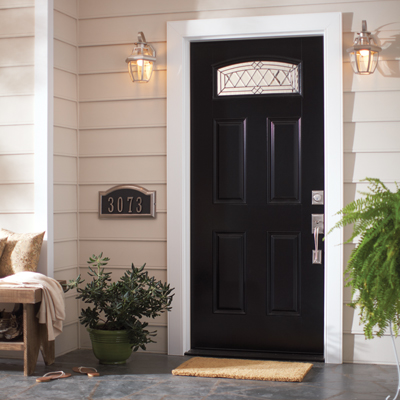
  3. Fresh paint- It may not seem like they would but potential buyers will notice things like the color of the front door quickly or if the paint is chipping. Take time to repaint the front door if its worn or even if its just not the right color that fits with the house. While you're at it, find a fresh color for your shutters as well that will help make your house stand out. 
  4.  Lighting- Replacing and updating the lighting can make a big difference to the way your house is being viewed. Choose something that properly fills the space but follows the theme you're creating. 
  5. The front yard as a whole- Fixing up your cement driveway, replacing your mailbox, even doing a small chore like cleaning the window will increase the interest of your potential buyers as they view the house. 
July 18, 2018

Features of a Flipabble Find

Flipping a home is certainly a great way to make money in today's market. Of course there are different types of houses everywhere but there are some general things to look for when you're picking a home to flip. For your first flip try to find a house that doesn't need a ton of major repair work, make sure that the house is priced very low under it's value as well. Often there will be several promising properties in older subdivisions as children are wanting to sell houses quickly as their parents move into long term care facilities. Here's what you should be looking for in a house to make your flip a total success. 

Solid Structure.   Unless you're getting a really good deal on this home you should not buy a home that doesn't have a solid structure. It is very difficult to flip a home when the structure is crumbling beneath it. You can check how solid the structure is yourself by carefully inspecting the roof line to make sure there aren't any spots where it isn't flat. Remember that it is highly recommended that you get a professional structural inspection. 

Solid systems.  You can find yourself spending boatloads of money trying to update and replace electrical, HVAC, plumbing, and roofing. So when you're looking for a home to flip try to find the house with the majority of these in good working order and also be looking for those that are predicted to have a long life expectancy. 

Curb Appeal.  You're looking for a home that isn't the most appealing from the road to start with. This is where a few minor changes will make a big difference about how the house is viewed from the street by potential buyers. For example you can get rid of any big trees to open up the front yard, add some contrasting shutters, and even clean up the flower beds and put in some perennials. Creating instant curb appeal. 

Neighborhood. You should be looking for a home that overall fits in the neighborhood. Find a house that has similar architectural style, size, age, and general upkeep as those it is surrounded by. Keep in mind that when you're flipping a home it still needs to look like is belongs within its neighborhood. 


July 17, 2018

Maintenance Checklist for Your Pool

There is nothing more refreshing than taking a dip in your pool on a hot summer day. However, you must be sure to maintain all of your pool chores from day to day in order to keep your pool clean and ready to swim in. Attack your pool's maintenance by keeping a regular maintenance schedule insuring that all of those tiny jobs don't accumulate into one large job. It is smart to make a checklist so that you can see, laid out in front of you, everything that needs to be done today, this week, or even this month.

Your daily chores for the pool will typically include grabbing the skimmer and scooping out any unwanted floating debris. This may include leaves, bark, insects, etc. While you're scooping all the debris off the surface of the pool remember to clean out the filter as well to keep your water circulating properly. Another daily chore is to check the water level and adjust it accordingly to make sure the water is at the proper level for your equipment to work properly.

The weekly chores for your pool are a little more time consuming that's why it is suggested that you give yourself the week to complete them. Start by making sure that your pool deck is swept and kept relatively clean insuring that the grime and dirt isn't tracked into the pool. Pick one day a week to use the pool vacuum and vacuum the bottom of the pool. This will prevent staining and keep your water cleaner. Once you've cleaned out the pool check the pool chemistries and put shock in the pool as well. Putting shock in the pool will help prevent algae, bacteria and other microscopic critters from growing since your pool isn't a flowing body of water. 

From month to month you should make sure that you're always keeping an eye out for tears in the liner that could lead to leaking. Always check and clean out the pool filter as well as cleaning out the pump to ensure that the water flow is kept high. Clean your skimmer with a sponge and soap to make sure that your pool's waterline will stay cleaner too. These chores may need to be done more than once a month so repeat them as needed. 

We hope these tips help you keep up with you pool's maintenance this year and that you enjoy your pool days!

Posted in Home Maintenance
July 16, 2018

Road to Rental Success

Owning a rental or two may be a great way for you to bring in some extra income for yourself without really having to work for it. You will always hear about your buddies that are renting and how they make a frightening payment toward rent for their place. Why not get this income of your own while you gain all the equity as the renters pay down to your note. Rental can however be a lot of work whether you have one or two homes you should take time to review the pros and cons before you make your purchase confirming that this is the right business for you. While you review the pros and cons remember to also consider the finer points of being a landlord. 

  • Carefully pick your new tenants.  Be sure that when picking a new tenant you always run a background check and ask a series of questions that will help you learn more about the people who will be living in your house. Having a "bad" renter can ruin your rental experience before it has even really taken off. If you get stuck with rough renter you may end up having to gut the house and starting over from the beginning , at that rate it makes it really hard to have success at land lording. 
  • Considering rent collection.  Think about how you plan to collect payments from your tenant. It is smart to think about this decision before time so that you don't run into a situation where your tenant can't or won't comply to the process. There are now many systems online that are easy for tenants to use. Once the process has become electronic there is no worrying about getting the check in the mail every month. 
  • Getting comfortable with legal stuff.  Make sure to know what your obligation to your tenants as well as the state laws regarding the withhold of rent due to repairs that remain unfixed. Know if your tenants can crash in a hotel on your dime while repairs are taking place as well. It is smart to find a good real estate attorney that can help you draft a rental agreement that protects both you and your renter. 
  • Plan repair and upgrades.  It is best to have any repairs and upgrades finished before anyone moves in so that everything is easier to reach and less of a hassle. Have a plan to make sure the problems are fixed properly the first time so that there isn't a reoccurring issue. When upgrading choose materials that are durable and easy to take care of, treat the home as an investment and design it in a way that you'll get the most for your money.
  • Eviction.  This is probably the worst case scenario but you have to consider the process for how you're going to deal with eviction. You also have to make sure that you will be prepared to handle these types of situation no matter what the reason for missing payments may be. 

You will realize that being a landlord has its up and downs and requires a lot of general knowledge that's hard for one person to maintain. But there are professionals that are willing to help you along the process. We hope that these tips will help prepare you for your next step in renting. 

Posted in Real Estate News
July 13, 2018

Making Your Move Easy!

There are things people don't know about moving, one of which is that moving is ranked one of the most stressful events in life. However, if you take the right steps in planning and preparation your move can be made much easier. 

  1. Make sure that you keep a file with all of the details involved in the move and collect all of the receipts that are moving related because depending on your reason for moving you might be entitled to a tax deduction. 
  2. Create a floor plan of your new home so that you can begin to think about where you will want to place furniture. This will ease the stress of trying to figure out where to place it when it arrives. You can mark and label your furniture so that you'll know exactly where to place it on the big day.
  3. When packing up your belongings, remember to keep your boxes light enough to be handled. Pack similar items in boxes, label the contents of each box and label where they go when appropriate. This will help the items get to the right room and make unpacking easier. 
  4. Notify the post office, credit card companies, friends and family of your change of address. Contact your doctor, dentist, and veterinarian to receive copies of medical records. Contact your children's school and arrange for records to be foreworded to your new school district. Make arrangements for a new bank safety deposit box if you're moving to a new town. Doing this in advance will reduce exposure to theft or loss of your valuables.  

Contact us today and we can help you sell your house while making the move as pleasant as possible for you. 

Posted in Buying a Home
July 11, 2018

What to Consider Before Investing in an Outdoor Kitchen

Investing in an outdoor kitchen can be one of the best investments that you've ever made. However you must consider how different an outdoor kitchen is compared to an indoor kitchen. There are a few big differences that are pretty clear, for example, outdoor kitchens are exposed to the elements every day so more maintenance may be required when it comes to gaskets, wiring, and plumbing. Because of this it is important to get regular maintenance and health check to insure there are no major failures without warning. 

Cleanliness is one of the few big differences between an outdoor and an indoor kitchen as well. You can not expect your outdoor kitchen to be as clean as that of your indoor kitchen because being outside it is exposed to things like pollen, dust, dirt, and even unwanted mammals. Be sure that you're always cleaning your grill thoroughly and not leaving grease in the catcher to have a better chance of those unwanted mammals staying away. 

Compared to an indoor kitchen an outdoor kitchen's counters and floors can be more difficult to clean because indoor kitchens will often contain tile, vinyl, or hardwood floors that can be easily cleaned with a mop and have counter tops that are easily wiped down with a wet sponge. However, typically outdoor kitchens will have a stone like granite counter to withstand heat and concrete or stone "floor" which isn't something you can just typically mop. It is important to get your outdoor granite counter sealed every three to five year to protect it from the worse the sun can deal out. Keep you patio clear of grass clippings, dirt, and other plant materials to prevent weeds from popping up wherever they can. Also, remember to power wash your patio at least once a year to remove stains, grease, and mildew.

Now an indoor kitchen will need some winterizing but keep in mind that an outdoor kitchen will need a lot more maintenance to prepare for the winter. Remember that you will need to disconnect your appliances from their numerous services. Shut of the gas to the grill, empty and disconnect the fridge, drain and winterize water lines, and cover patio furniture and and other appliances as well. Outdoor kitchens are very beautiful, however, make sure that you're prepared for the upkeep of an outdoor kitchen before making the big investment. 

Posted in Home Maintenance
July 3, 2018

Top 10 Renovations That Reap Returns on Investments

GET THE MOST FOR YOUR MONEY

It can be tricky and sometimes expensive making the most of your home improvement investments. Potential sellers will often ask their real estate professional to price homes higher than market value based on the improvements made to the home. As a real estate professional, it is our job to help sellers see that not all improvements are the same in terms of reaping a return. In the eyes of prospective buyers, the value of certain upgrades can be all a matter of taste. Every year, we review the Remodeling Magazine to determine the best renovations for the money, and every year there are some true favorites and sometimes a few surprises. 

Steel Entry Door Replacement      Garage Door Replacement 

Job Cost: $1,137                             Job Cost: $1,496

Resale Value: $974                          Resale Value: $1,132

Cost Recouped: 85.6%                    Cost Recouped: 75.7%

Wooden Window Replacement     Vinyl Siding 

Job Cost: $10,708                           Job Cost: $11,192

Resale Value: $7,852                       Resale Value: $8,154

Cost Recouped: 73.3%                     Cost Recouped: 70.3% 

Wood Deck Addition                      Minor Kitchen Remodel 

Job Cost: $9,327                             Job Cost: $18,527

Resale Value: $7,213                       Resale Value: $13,977

Cost Recouped: 77.3%                     Cost Recouped: 75.4%

Major Kitchen Remodel          Attic Bedroom Remodel

Job Cost: $53,931                           Job Cost: $47,919

Resale Value: $37,139                     Resale Value: $34,916 

Cost Recouped: 68.9%                    Cost Recouped: 72.9% 

Vinyl Window Replacement          Basement Remodel

Job Cost: $9,770                             Job Cost: $61,303

Resale Value: $6,961                       Resale Value: $43,095

Cost Recouped: 71.2%                    Cost Occupied: 70.3%

These project values are based on a national average. What's interesting to see is how home inprovement values break down even further on a regional level.

To learn more about how to get the most from your home investment call us today!