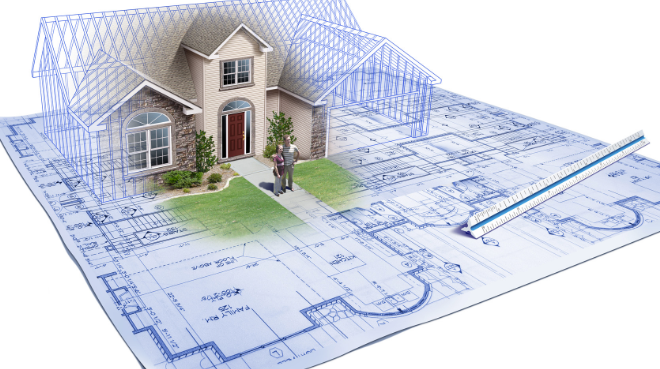
Consumer Guide: Ten Questions to ask a Buyer's Agent


1. Are you a REALTOR®?

When you work with an agent who is a REALTOR,you are working with a professional guided by ethical duties under the REALTOR® Code of Ethics, including the pledge to protect and promote the interests of their clients.

2. What types of services can you provide me?

Agents may offer many types of services such as finding you homes that meet your criteria, accompanying you to showings, sharing their analysis of the market and available properties, negotiating on your behalf, and more. 

3. How well do you know the markets where I am searching for a home?

Your agent must be licensed where you are buying a home. But they should also have the market knowledge to help you successfully find a home where you are searching.

4. Do you have experience working with buyers in my situation?

Many agents specialize in working with certain types of buyers, such as first-time buyers and veterans. Some also earn the Accredited Buyer’s Representative designation to gain specialized skills in working with buyers. Ask your prospective agent about their experience and any designations or certifications they have earned related to working with buyers like you.

5. Can you tell me about your approach to scouting properties?

Agents and brokerages across the country have different business models and use and provide various technology, tools, and resources to inform their search process. Discuss with your prospective agent how their unique approach will help you find the right home.

6. What will be included in our written buyer agreement?

Once you are working with your agent and before you tour a home together, your agent may be required to enter into a written buyer agreement with you that outlines the services the agent will provide you, and what they will be paid for those services. These agreements are fully negotiable.

7. How long will we work together?

Talk with your prospective agent about how long you would like to work together and ensure you feel comfortable with that arrangement. This term could be set out in your written buyer agreement.

8. What are my options for paying you?

Agent compensation is fully negotiable and can take many forms, such as a flat fee, a percentage of the purchase price, or an hourly fee. The written buyer agreement will contain the amount of compensation you agree on. You can also ask the seller to pay your broker’s compensation as part of your purchase offer or, in cases where a seller offers a concession, you may be able to use the funds to pay your broker for the value and services they provided you.

9. Can you recommend service providers who can help me obtain a mortgage, make home repairs, or support other closing tasks?

Your prospective agent may have prior experience or trusted relationships with providers in the area where you are purchasing a home and can be a great resource for facilitating these introductions.

10. Do you have references I can speak with?

Many agents will be happy to connect you with satisfied clients they have worked with in the past who can speak to their experience.


May 26, 2020

The Latest Home Construction Trends

Throughout the years, the construction industry, and the trends that it follows, have changed significantly. While some key elements in construction tend to stay more or less the same, in other areas the industry needs to be adaptable to keep up with the changing wants and needs of consumers and other clients. So if you’re considering a change, but aren’t really sure what you want in your home, here are a few of the recent and upcoming construction trends to keep in mind.


Children's Playrooms

A lot of homeowners with children have come to feel that their kids need a place to play when at home. While children can and will play anywhere, giving them free reign of the house can be nerve-wracking, especially when you have to clean it all up every day. Establishing a dedicated playroom helps to contain the chaos, confining the clutter to a single area within the house. It’s possible to use an existing room as-is for a playroom, but a lot of parents would prefer to do at least a little bit of remodeling to ensure that the room both meets their kids’ needs, and is optimized for safety and storage.


Ditching the Dining Room

Big formal dining rooms were very popular for a long time, though that popularity gradually declined over the years. These days, many households aren’t using their dining rooms nearly as much as they did in past decades. As a result, more homeowners are looking for other things to do with that space other than using it to hold a table and chairs. This has led to surge in remodeling to make better use of that dining room area, with homeowners opting instead to create nooks or other smaller dining spaces that can be used much more efficiently at mealtime.


Smart Home Construction

Once a thing of science fiction, smart home technology and home automation are increasingly popular options for homeowners. A lot of smart home automation tech is designed to be plug-and-play, with smart lights, smart thermostats and various sensors being available as aftermarket purchases. For new construction, though, more people are opting for integrated technology. Built-in smart sensors to track things like water leaks, open windows and various aspects of security are all popular. Other construction options such as built-in Ethernet and design that avoids Wi-Fi dead spots are also being requested more and more frequently.


Home Office Spaces

As people work from home more often, they need a dedicated area to do their work in. In some cases, this is as simple as moving a computer into a spare bedroom, but many home workers require more customization for their home office space. This can come in the form of additional storage or custom work areas, improved soundproofing or electrical work such as improved lighting and added outlets. Other home workers prefer that they have a work area that’s at home but separate from the house itself.


Smaller Room Designs

While open room designs have been popular for years, there has been a shift recently to smaller and more distinct rooms within the home. This doesn’t apply to every room, of course; for living rooms and some other spaces within the house, bigger and more open continues to be popular. And having other rooms with a more compact design can make these seem bigger by comparison, even when you don’t have a huge amount of floor space to spend on big open areas.
 

Posted in Home Maintenance
May 19, 2020

How to Make Your DIY Shopping List

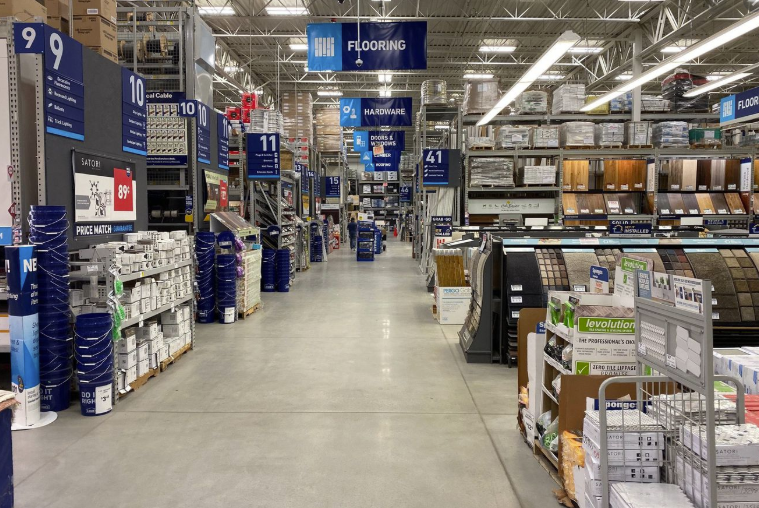
DIY projects are a great way to keep yourself busy during social distancing. With some DIY projects you’ll already have everything you need at home, making it a simple matter of getting everything together and actually doing it. With other projects, though, you’ll have to venture out to pick up a few things. This can be stressful during a period of social distancing.  You need to be conscious of both exposing yourself and others to the virus, so it’s important that you follow CDC guidelines and guidance from your local government for your community.  You’re also going to want to make sure you’re ready with a list of everything you need before you head out the door.
The goal here is to make sure that you can get all of your supplies in as few trips as possible. After all, the fewer times you have to go out, the less chance there is for you to accidentally expose yourself or others to sickness. To that end, here are a few suggestions that can help you make your DIY shopping list and get everything you need in a single trip.


Build Your Project List

The first thing that you’ll need to do is figure out exactly what it is that you’re hoping to get accomplished. Think about more than just the project that you’re currently working on and look at your overall DIY slate. Not only can taking all of your projects into account help you cut back on trips for supplies, but it can also make it easier to see where supplies can be used for more than one project. You don’t have to list every single project that you might conceivably do, but at least create a list of the next few projects that you hope to tackle.


What Do You Have on Hand?

Figure out everything that you’ll need for the projects on your list, then start looking at what you already have available. Maybe you already have some lumber, wires or fasteners on hand; do you have enough to get through all of your projects? If you don’t have the exact materials that you’d planned on using for a project, do you have anything similar that could be substituted? Be sure and take things like paint, sealer and similar materials into account as well. Knowing what you already have will help you narrow down exactly what you do need, which will keep your costs down and make your shopping trip go faster as well.


What do you Still Need?

Take into account everything that you’ll need to finish your projects, including any additional tools you’ll need to pick up and anything you’ll need for maintenance or decoration. Organize your list as best you can by items that should be located in the same area, reducing your back-and-forth time and keeping your contact with others in the store at a minimum. Be sure to check this list twice, as anything you miss will mean another trip to the store at some point.


Planning for Multiple Stops

One other thing to consider is that you may not be able to get everything that you need in a single stop. If this is the case, organize your list so that you group everything at each stop together. This means that if you need to hit the hardware store, all of your hardware purchases are in that part of the list. Any big-box specific purchases would be in another part of the list. Once you have these divisions in place, you can use the same tactic from above in regard to sub-grouping items that are in the same part of each store.

You should also use this time to plan other necessities for your trip as well. Make sure that you have a mask or other protection gear, hand sanitizer and anything else you might need and that you’ve made preparations for each stop. It’s also a good idea to come up with a timetable for your trip, figuring out what time everything opens so you can go as early as your schedule allows to avoid crowds. It’s important to be conscious of how social contact can potentially expose you to illness, as well as how you might inadvertently spread it to others; proper social distancing, protective gear and other preparations are as much a part of your preparations to shop as your list is.


Making Your Shopping List

One last thing to consider: While you may be used to keeping shopping lists on your phone or through a digital assistant, if you’re in an area where you really want to minimize potential contact with germs or other contagions then individual paper lists could be a better option. This reduces the possibility of your phone getting contaminated while you look at it or touch it, and the lists themselves can be disposed of once you’re done with them. It can also help with your organization since you’ll just have a single list to work from with each stop that you make.

Posted in Home Maintenance
May 18, 2020

Raised Bed Gardening

Now is a great time where planning out a garden can be a great idea; it helps to keep you occupied and yields a variety of healthy vegetables as well as other foods later in the year.

Maybe you don’t have a lot of space or perhaps the soil in your yard isn’t the greatest. Neither of these prevents you from having a garden, though. There are a few different options available to address these concerns, but you might find that a raised bed garden is exactly what you’re looking for.


What is a Raised Bed Garden?

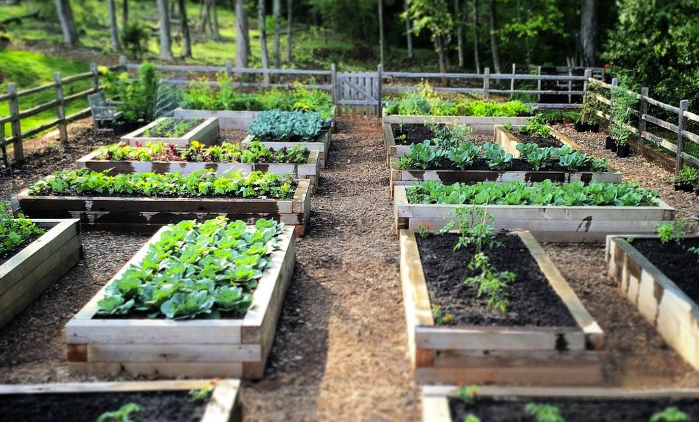
Essentially, it’s a garden that has a box or other physical container around its border that allows you to add more soil to plant your vegetables and other crops in. In some cases, this can be a few added inches of topsoil. In other cases, you’ll need to add a substantial amount of new soil, and some raised beds have so much added topsoil that the plants never actually touch the “real” soil. Regardless of whether you add a little soil or a lot, the growing medium is still raised at least slightly from the ground level thanks to the garden box that surrounds it.


Building the Garden Box

There are a number of options available to you when it comes to building a garden box. You can use landscaping timber, bricks, 2x4s, wooden planks or even concrete. Decide on a height that works for you and pick a material that you’re comfortable working with or have easy access to. You can design a perfectly sized garden box, or you can make one that has gaps in the corners where your material doesn’t quite line up. It doesn’t actually matter what the box looks like, just so long as it is solid enough to contain your soil and is connected to itself or other supports to keep the sides from falling apart.

Just keep in mind that some materials such as pressure-treated wood contain chemicals that could leak out into the soil over time. If you have concerns about this or are using materials that you know present a chemical hazard, be sure to stain or seal your materials before use to keep water from penetrating and leaching the chemicals out.


Filling It In

Once you have a workable garden box, it’s time to add some soil. Ideally, you should till the ground soil before adding any additional soil to the box. Add a layer of garden soil or topsoil, then use a rake or hoe to blend the garden soil and your additive soil a bit. From there you can continue adding soil, mixing it together periodically, until you’ve reached the level you want in your garden box. In some cases, you’ll have room left within the box; in others, the soil will go all the way to the top. After it’s filled, you might want to water it well to let the soil settle a bit before you start planting.


Planting and Garden Care

With the box built and filled with soil, you’re ready to get your plants in the ground. Planting is largely the same as you’d do if you were planting directly into the ground, though your newly filled garden bed likely has softer soil than your yard. Water your garden a little more often than you normally would, as raised beds offer more of a chance for water to leak out or evaporate than ground soil does. Feed your plants as needed, remove weeds or grass when it appears, and do your best to keep pests out of the garden. The raised bed itself may deter some pests, and a small chicken wire fence around the edge of the bed can help as well.

There’s a decent chance that your raised bed garden will grow better than an in-soil garden thanks to the quality of its soil and the added control that you have over your garden environment. With proper care, you should be able to enjoy a bountiful harvest in just a few months.

Posted in Home Maintenance
May 11, 2020

Public Spaces and Social Distancing

It goes without saying that no one expected 2020 to turn out the way that it has. The last several weeks have been especially difficult, with businesses shutting down and people needing to stay at home. Though the measures seemed extreme, they were necessary as a way for people to protect both themselves and others in their community. This isolation is finally starting to wind down, with many areas either reopening businesses or releasing a plan for reopening. This doesn’t mean that everything is immediately going back to normal, however. There are still some risks associated with going out in public, especially in certain parts of the country. Here are some things to keep in mind to help you stay safe even as restrictions are lifted.


Continue Social Distancing

One big thing to be aware of is that just because more places are opening doesn’t mean you can ignore social distancing guidelines. When out in public areas, you still want at least six feet between you and those around you. To help you navigate this, many stores and other places open to the public are placing tape, stickers or signs out to show you how far six feet is. Even if those indicators are not present, you can estimate six feet by picturing how much room you take up holding your arms out to your sides; if you’re close enough that you could touch another person’s hand or arm if you both had your arms stretched out, then you’re a bit too close.


Avoid Crowded Public Spaces

Just because a place is open for business doesn’t mean that you have to visit it right now. Many businesses or other public venues that were previously closed will have a sudden rush of people who have been waiting to visit. This can be bad, as crowds make it difficult to maintain proper social distancing. Wait for things to clear out a bit or choose a time early in the morning to avoid the crowds and keep yourself and others safe.


Use Curbside Pick-Up

You may have already used some curbside pickup options while buying supplies during the lockdown period. As more stores open, many of them will offer curbside options as well. Most will use curbside pickup for online purchases, but some places such as pharmacies, vets and specialty stores may let you call in orders directly from the parking lot. The rules for curbside pickup vary based on the specific store you’re visiting, but for the most part you simply pull into a specially marked space and give the store a call. Let them know that you’re there to pick up an order and give both the identifier for the space you’re parked in and your name or order number. They’ll deliver the order to you with minimal contact.


Real Estate Concerns

The real estate market has been hit by the COVID-19 outbreak, with many buyers and sellers being hesitant to physically interact with each other. As things open back up and the economy starts to improve, we’ll likely see more open houses and showings. Care should still be taken to ensure that social distancing guidelines are followed at all times. Doors, windows and any other barriers should be opened by the homeowner beforehand to reduce or eliminate the need for contact with surfaces inside of the home.


Home Improvement Options

While everything was in lockdown, a lot of people put off home improvements and other non-essential activities that might bring new people into the home. Many turned instead to DIY projects, and they’re still a great idea even as things start to return to something closer to normal. With that said, you might be ready to bring in a contractor for your home improvement project. Just make sure to maintain distance away from any workers and check with the contractor to make sure that everyone will wear a mask or other facial covering while in your home.


Getting Fresh Air

While we may not be out of the woods yet, this doesn’t mean that you can’t get out of the house if you do so safely. To help prevent the spread of disease while outside, wear a mask and maintain your distance from others. It’s okay if things still feel a bit weird, and you’re more than welcome to ease back into things at a pace that you’re comfortable with. Just remember that there are a lot of outdoor activities in parks and other public areas that let you stay away from crowds while still getting out of the house. Even if it’s just a brief trip, you might be amazed at how much good getting out can do after weeks of seeing the same four walls.

Posted in Community News
May 7, 2020

Maintaining Your Mental Well-Being

Things are pretty scary at the moment. When you turn on the news, read a paper or just scroll through your social media feed, most likely you’re seeing one person or another talking about the COVID-19 pandemic. It can have a profound negative effect on your mental health, even if you live in an area where there hasn’t been any local sickness. How do you handle it, when it seems like there’s just so much to bear?


For at least one possible answer, let’s look back a few decades. Fred Rogers, better known as the one and only Mister Rogers, gave some advice that had been passed down from his mother: “Look for the helpers.” We’re all in this together, and with a slightly different mindset you can remember this even in the darkest of times.


Look for the Helpers

Mr. Rogers is highly quotable, but his comment about looking for the helpers is probably one of his more famous quotes. Though there are a few different versions from different things he’s shared over the years, one of the most poignant and relevant to our current situation comes from a newspaper piece he wrote back in 1986:There was something else my mother did that I’ve always remembered: “Always look for the helpers,” she’d tell me. “There’s always someone who is trying to help.” I did, and I came to see that the world is full of doctors and nurses, police and firemen, volunteers, neighbors and friends who are ready to jump in to help when things go wrong.


If you’re tempted to give into despair, just think of all the doctors, nurses, police officers, volunteers and everyone else who are still out there and still doing their jobs. Remember that they’re not doing it just because they need a paycheck; they’re doing it because friends and neighbors in their community need them to. They’re doing it to help.


Nobody Is Alone

Everywhere we turn, the message seems to be about social distancing and self-imposed isolation to try and slow the spread of COVID-19. This is good and noble advice, but it can also be very lonely. Even if you have a family there with you at home, seeing only the same people day in and day out is difficult when you know that you’re not supposed to interact with others. It’s okay to feel that way, though… everyone else does.


It’s easy to forget that other people are feeling the same fear, the same sense of isolation and the same uncertainty. They are common emotions that unite us all, even if we don’t realize it. A great way to fight these feelings is to reach out over the phone or a video chat and check in on friends in town, across the country or around the world. Talk about what you’re feeling and encourage your friends and family to talk about it as well. Confronting this fear is the first step in overcoming it.


Everyone is Enough

If you watched Mr. Rogers on TV as a child, you’re familiar with his recurring mantra that “you’re special just the way you are.” In the current situation, this means acknowledging that you still have worth, even if the best that you can do right now is to stay indoors. You don’t have to be a doctor or deliver meals to the elderly in your neighborhood; if all that you can do is stay out of the way and ensure that you aren’t spreading the virus, then that is more than enough.


Not everyone has to give their all with each part of this: You’re special just the way you are, doing just as much as you’re able to do. Take care of yourself and encourage others to take safe steps as well. If you can get out there and help firsthand then do so, but don’t despair if you can’t. Look for the helpers, and you’ll remember that there are a lot of ways to help. We can do this together, and you’re an important part of that effort.

Posted in Community News
April 28, 2020

Developing Your Isolation Routine

Social isolation can be difficult, especially if you’re not used to it. It sounds easy on the surface: Just stay home! If you’re cut off from the social contact and day-to-day routines that you’re used to, though, this can have a significant negative impact on your mental (and sometimes physical) health. If you’ve been struggling with isolation, here are a few things to keep in mind as you develop a routine for your “new normal.”


Assess Your Needs

As with most things, the very first thing that you need to do is stop and look at what you actually need in your day. Make a list to see exactly what you need to include in your day-to-day activities while you’re in isolation. Be sure to include not just those tasks you do every day but also things that need to be done less frequently, such as refilling pill planners or getting the laundry done. Once you have a list, plan out your schedule a week at a time on a calendar for easy reference.


Avoid Distractions

If you’re having to work from home for the first time, you might be surprised at just how unproductive you are when working from home. Some people flourish in the work-at-home environment, while others discover that the problem with working from home is that home is where you keep all your favorite distractions. Establish office hours for yourself, both to keep others from bothering you and to keep yourself from wandering off in the middle of the work day. For ease of reference, place your office hours on your calendar too.


Add Activities

Just because you can’t get to the gym doesn’t mean that you’ve got to give up your exercise routine. Lift weights at home, go for walks or jogs (while maintaining social distancing of course), check your streaming services for workout content, or buy dancing or exercise-related video games for your favorite console. While you probably won’t be able to replicate the same experience that you get at the gym, even a little bit of activity every day will still do you a ton of good. For that matter, even if you just set an alarm every hour to remind yourself to walk around the house you’ll still be doing yourself some good.


Get Out of the House

Just because you can’t go anywhere doesn’t mean you have to sit inside all day. The weather’s getting nicer, so you should definitely spend some time outside if you can. This could be a great time to prep a garden, get your yard in shape or order the supplies you need to put up some bird feeders. Some sunlight and fresh air every day will do wonders for your well-being, both mentally and physically.


You're Not Hungry, You're Bored

Don’t fall victim to the “Quarantine 15.” It’s easy right now to sit around the house and eat more snacks than you normally would because you don’t have much else to do. Take a stand against overeating by finding better things to do with your time. You can also add healthy snacks and other better-for-you alternatives to your next shopping trip, replacing processed chips and candy with fruit and vegetable options.


Keep Your Mental Health in Mind

Isolation is very stressful, especially if you live in an area that’s experiencing a large outbreak of COVID-19. All that stress, prolonged over weeks or even months, can have a substantial negative impact on your mental health. Add in the loneliness and depression that can occur as a result of social isolation and you could be looking at some very rough times mentally. Find friends or relatives to call or video chat with to talk.


Maintaining Your Routine

Don’t assume that things will be the same from week to week. Take some time every weekend to go over your routine from the previous week, figure out what worked well and what didn’t, and adjust your routine for the upcoming week accordingly. This is new to all of us, so it’s okay if you need to change things up every week during your isolation. Just take things a week at a time and remember that even if you have a bad week now, you’ll always have an opportunity to try again next week.

Posted in Community News
April 17, 2020

6 Spring Cleaning Tasks You May Have Overlooked

As self-isolation and social distancing stretches on, you may find yourself a bit bored just staying at home. Since there’s a big difference between choosing to stay at home and having to stay at home, even those who enjoy spending time at home may be struggling. This is why many people are starting to look for things that need to be done around the house – if you’re going to be stuck at home every day, you might as well be productive.


Fortunately, there are a number of spring-cleaning tasks that can keep you busy for a while. Don’t just dust, vacuum and call it a day, though. Consider tackling the following jobs as well to reduce your future maintenance needs and ensure that you’re ready to face the summer.


1. Cleaning the windows and screens

Cleaning the windows is a classic spring cleaning task, but it’s one of those tasks that’s all too easy to only do halfway. When you clean your windows, be sure to clean both the inside and the outside with a quality glass cleaner. You should also remove the window screens and clean them as well, especially if any of them have dirt or other icky stuff stuck in them after the winter.


2. Pressure washing

Dirt, mold, mildew and moss can all degrade the materials of your home over time. That’s why it’s a good idea to break out the pressure washer and give your home a good ol’ scrubdown at least once a year. Spring is a good time to do this since it’s usually still a bit too cool for things that grow on your house to get out of hand. While you’ve got the pressure washer out, you should also look to see if there’s anything else around the house that could use a good deep clean. Check out picnic tables, fences and any other spots where dirt and other contaminants might accumulate.


3. Cleaning out the gutters

A lot of people view gutter cleaning as a fall task, associating full gutters with fallen leaves. There are a lot of things that can clog up your gutters, though, including debris that gets washed off your roof by spring rain and melting snow. To reduce wear and tear on your gutters and make cleaning them easier overall, make cleaning your gutters into a task that you do at least twice a year, in the spring and fall.


4. Check out the AC

As things start to warm up, a lot of people prefer to open their windows instead of cranking the air conditioning. You should at least give it a test run to make sure that it’s working properly, though. Clean your AC as best as you can, let it run for a while to make sure that it’s able to maintain the air temperature, and change any filters that need to be changed. If there’s a problem, it’s better to find out now and fix it than discover it in a few months when temperatures peak.


5. Clean your furniture

A lot of dusting goes on in the spring, but it’s easy to forget that dust and dirt accumulate on furniture too. Break out the vacuum or a steam cleaner to give your furniture a good cleaning as a part of your spring-cleaning routine. Not only will this keep your furniture looking good and in good shape for longer, but it can also reduce allergies and other health issues within your home.


6. Test those smoke detectors

It’s easy to forget smoke detectors if they aren’t beeping randomly in the middle of the night because they have a low battery. To keep your home safe, though, you should test your smoke detectors and replace their batteries every six months. Spring cleaning time is a great time to do this (and then do it again in the fall when you start preparing your home for winter). Don’t settle for just replacing batteries, either; if a smoke detector doesn’t work or seems to have a larger problem than just dead batteries, replace the entire unit.

Posted in Home Maintenance
April 7, 2020

Activities You Can Do With the Whole Family

With the current state of the world, people are spending more time at home than ever. This provides for some great opportunities to bond as a family, and also gives some of us a bit more time to get things done around the house. Spending more time with your family can lead to some questions, though. One of the biggest is “Exactly what are we supposed to do now that we’re together?” Without the breaks afforded by work, school and other activities, trying to come up with activities for the whole family can seem a bit overwhelming. Here are a few suggestions to get you started. Not only will these ideas help you to spend some quality time together as a family, but some of them might help you with some of those tasks around the house as well!


Planting a Garden

Even though the year has gotten off to a rocky start, time waits for no one. We’re already getting into gardening season, so it’s time to start prepping the soil and starting your seeds. Since you’ve got the family all there at home, try to get everyone else involved as well. Plan out the size and shape of your garden plot and make a list of everyone’s favorite fruits and veggies to help decide what to plant. You can even get younger kids involved by letting them make row markers featuring pictures of everything you plan to grow.


Family Game Nights

Game nights are a classic, but sometimes it can be hard to fit them in. Timing isn’t as much of an issue these days, so let’s play some games! These could be anything from board games to multiplayer video games or even tabletop role-playing games. Let the family decide on the specifics and plan out a new game night every week to help keep everyone entertained.


Movie Time

Going to the movies is a popular family activity. Just because the theaters are closed doesn’t mean you have to give up on enjoying a film together. Make some popcorn, break out some snacks and cue up a favorite film on the TV. Several studios are releasing movies for sale or rental early, and some have even put new releases up for rental on streaming services even though they should still be in a theatrical run, so you can still catch some of the films that you might have planned on seeing as a family anyway.


Plan Out Your Redecorating

Were you hoping to redecorate this spring? You still can, and you can get the family involved in the process as well. Let everyone help pick out paint colors and decorations, especially in their bedroom or other rooms where they spend a significant amount of time. Even if you can’t get everything that you need for the project right now, this will let you plan things out in advance so that you’ll be ready to start once it’s go time.


Draw From A Hat

If you aren’t sure what to do, have everyone get together and make a list of three things that you’d like to do as a family. Once you’ve got the lists made, put them all on a hat or other container and draw one of the lists out. Look at the listed items and let the family vote on which activity you’d like to do from the list. If you’re worried that the same person might win too many times, the next time you do it, have the person who won sit out the suggestions and be the one to draw the winning list instead.


Sometimes, one of the best things that you can do as a family is just relax and enjoy each other’s company. Don’t assume that you have to fill up every available moment with activities. Take some time to read books, give the kids some screen time or do some other individual downtime activities. You can take this downtime in the same room, spending casual time together without having to be “on” and actively doing things together all the time.

Posted in Community News
March 19, 2020

Pantry Organization Tips

A pantry is a great thing to have. Not only does it store all your dry goods in one place, but you can also use your pantry to better organize your kitchen. Whether it’s a space the size of a small closet or a walk-in the size of a small room, your pantry is an important part of your overall kitchen experience. With that said, do you ever wish that your pantry could do just a bit more? Here are a few ways that you can modify your pantry to add additional functionality and really get the most out of that storage space. Best of all, many of these ideas work regardless of how large your pantry is!


Multi-Height Shelving

Most pantries feature shelves, and most cases those shelves are fairly evenly spaced within the pantry. However, you can get more use out of the space if you break that symmetry up a little. Fit in more shelf space by leaving a shelf or two with a lot of headroom and then placing other shelves a bit closer together. If you really want to maximize the effect, install vertical dividers on shelves so you can have one side be tall and add a smaller half-shelf on the other side.


Baskets

Another great way to increase storage is to add baskets that slide out from under the shelves  when you need them. These baskets are available in different sizes depending on your needs and can be used for bagged items, loaf bread or other things that are light or fragile.


Zone Organization

To make better use of your pantry, consider designing a zone organization plan. A zone organization plan places your canned goods in one area, your pastas in another, breads and cereals in another … whatever groupings you want can work! You can modify each zone to meet the shelving and storage needs of whatever it holds. When you’re done organizing, add labels to the shelves to make items easier to find.


Tool and Utensil Storage

A lot of people think that a pantry is just a place to store food items. It’s also a great place to put your kitchen tools and other utensils so they’re out of the way. Add hooks or drawers in the pantry to hold lesser-used utensils so that they’re out of the kitchen but easy to find when you need them. 


Take Notes

Add a chalkboard, whiteboard or other writing surface to your pantry so that you can make shopping lists, jot down meal ideas or otherwise take notes without having to leave the pantry area. If the pantry has a door, you can even add a coat of chalkboard or dry erase paint on the inside to give you an extended note-taking area.


Door Racks

If you have spices, small containers or other small items to keep in your pantry, consider adding racks on the back of your pantry door as a place to keep them organized but out of the way. Depending on the type of door and what it’s made of, you can either install them directly to the door or simply use an over-the-door hanging rack.


Roll-Out Shelves

If you have limited space and want to make the most of it, consider investing in roll-out shelves or full-width drawers for your pantry. This lets you slide out the shelf that you need and access it all the way to the back so that you can place your shelves closer together than you might be able to with stationary shelving.


Posted in Home Maintenance
March 16, 2020

Cleaning for the Coronavirus

There has been a significant amount of concern raised recently about COVID-19, a relatively recently discovered disease caused by a type of virus known as a coronavirus. A lot is still unknown about the virus and the disease that it causes, and this is causing some people a great deal of anxiety about it. Major conferences and events are being canceled, people are buying up supplies (even if they shouldn’t), and the internet is filled with memes teaching people how to wash their hands. COVID-19 has the potential to be a serious illness. Here’s some info that can help you to protect yourself, especially if you’re confused by some of the contradicting advice that you might have seen online.


What Is COVID-19?

Even though it’s mostly referred to simply as “coronavirus”, the virus that causes COVID-19 is actually a novel coronavirus that’s been designated “SARS-CoV-2” and sometimes referred to as “2019-nCoV.” COVID-19 itself is a potentially severe respiratory illness that typically presents with fever, cough and difficulty breathing. While most people who become infected with COVID-19 recover, the disease can be severe and even fatal. Those at greatest risk from COVID-19 are individuals older than 60 years of age and those with preexisting conditions such as heart disease or diabetes.


Decluttering to Prevent Illness

If you want to clean up to try and prevent coronavirus infection, a good first step is to declutter your home. This will eliminate surfaces where the virus could linger, making it easier to disinfect your home and keep it clean. Decluttering can also have a positive effect on mental health and anxiety levels, which can improve your overall well-being and even provide a bit of a boost to the immune system.


Disinfecting Surfaces

The US Centers for Disease Control recommend disinfecting surfaces with regular household disinfectant wipes and sprays. While many of these have not been tested specifically for use against SARS-CoV-2, they are effective against some other common coronaviruses and are likely to at least reduce infectiousness if not kill the virus completely. Other household cleaners and disinfecting practices are also likely to be at least partially effective.


Handwashing Stations

One of the best defenses against COVID-19 is good handwashing practices. As such, make sure that you have soap available by every sink and clean towels ready for use after washing your hands. Printing out a guide to proper handwashing and placing it near your sinks can also be a good idea, especially if you have young children who are still learning how to wash their hands properly. If you have any, having hand sanitizer accessible for times when you can’t wash your hands is also helpful.


Don't Panic

Perhaps the most important thing to remember is that you shouldn’t panic. Don’t stockpile supplies that you don’t need, buy sensible amounts of the things that you do need, and take reasonable steps like avoiding large crowds and not shaking hands. One of the best ways to stay safe from COVID-19 is to keep yourself clean, keep your home clean and apply some common sense to your preparations for the disease.

Posted in Community News